twitter


 Watch the video:


Learn more:


 The nervous system is made up of:

  •  the brain
  •  the spinal cord 
  • the nerves.


Primary colours: can not be produced by mixing other colours.

Watch the video and learn and learn about mixing colours:


Sing the song:


Let's remember the five senses:


Where does the information from these things come from?
  • Peach:
  • Coin.


  • Campfire:


  • Perfume:


  • Cabrales cheese:

  • A glass of cold water:


We have five senses and each sense has an organ.


Our senses work together with our nervous system:


What's special about this man?


Introduction unit 4, body parts(here you have basic vocabulary).

Let's start revising the parts of the body:


Watch the second video:


And one more:


Here you have some games:


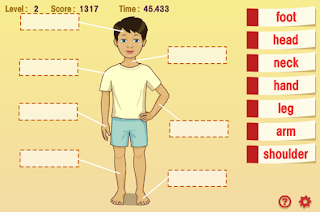
Label the picture:


Another game


Label the picture again:


Games at British Council site:


 Learn the diferences between evergreen and deciduous trees:


 You can eat roots, stem and leaves of the plants:


There are different types of plants all around us.

Plants can be classified into three types:

  • grasses
  • bushes
  • trees
Watch the video and learn about trees:


https://drive.google.com/file/d/1d6L5EWG64SismUi9ZTkU9LV-EqWh3Qjc/view?usp=sharing


Identify a flower's male and female parts. Drag th butterfly from the male to the female part to pollinate the flower.


Photosynthesis:

Plants use photosyntheis to make food.


PRESENTATION


Plants make their own food in their leaves through a process called photosynthesis.

Play a game:


Help the tree capture the elements to make its food through photosynthesis:


Some plants have flowers. Their reproductive organs are inside the flower. Flowers can look different but all flowers have the same parts:


Listen and sing the flower chant:


Can you take this flower apart by dragging each part into the right box?


Let's remember the parts of a flower:


 Try this word search:


Watch the video:


Let's revise plants vocabulary:


We can classify plants by their stem:

  • Trees
  • Bushes
  • Grasses

We can also classify plants by their leaves:

  • Evergreen
  • Decidious

Tree symmetry:


Listen to the vegetable vocabulary